
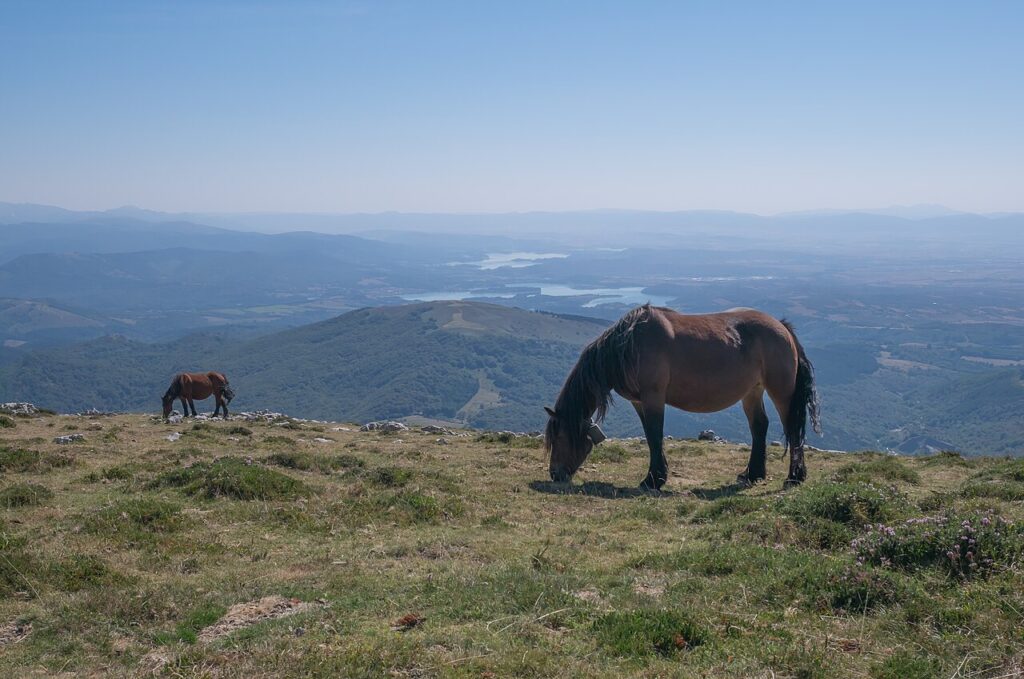
The Basque Country doesn’t feel quite like the rest of Spain. The language is older than Latin, the cuisine rivals France’s, and the green mountains rolling down to the Bay of Biscay look nothing like the sunbaked plains of Castile. This is Spain’s most distinctive region—a place where every meal feels like an event and every village has a story that predates the Spanish crown.
Tucked into the northeastern corner where Spain meets France, the Basque Country (Euskadi in the local language) spans three provinces: Gipuzkoa, Bizkaia, and Álava. Most visitors stick to San Sebastián and Bilbao, but the real magic happens when you venture into the fishing villages, mountain towns, and vineyards that make this region unforgettable.
San Sebastián: The Culinary Capital
San Sebastián has more Michelin stars per capita than anywhere else on earth, but you don’t need a reservation at Arzak or Mugaritz to eat brilliantly here. The city’s pintxo bars—concentrated in the Parte Vieja (Old Town)—serve some of the best food in Europe on toothpicks.
Start on Calle 31 de Agosto, where Bar Nestor serves the city’s best tortilla de patata (only twice daily, at 1 p.m. and 8 p.m., so time it right). Move on to Gandarias for grilled mushrooms and txuleta (thick-cut steak), then finish at La Viña for the burnt Basque cheesecake that launched a thousand imitations.
Between meals, walk La Concha beach—a perfect crescent of sand backed by Belle Époque architecture—or take the funicular up Monte Igueldo for views across the bay. In summer, the city fills with beachgoers and festival crowds. Visit in September or October for smaller crowds, calmer seas, and the International Film Festival.
Bilbao and the Guggenheim Effect
Bilbao remade itself around Frank Gehry’s titanium-clad Guggenheim Museum, but the city offers more than one landmark. The Casco Viejo (Old Quarter) winds through seven streets of pintxo bars, small shops, and the Santiago Cathedral. Cross the Zubizuri footbridge to the modern Abandoibarra district, where the museum sits alongside the waterfront promenade.
The Guggenheim deserves its reputation, but don’t skip the Museo de Bellas Artes, a quieter museum with an excellent collection of Spanish masters and Basque artists. For food, head to Plaza Nueva in the Casco Viejo, where Bar Gure Toki and Café Bar Bilbao serve classic pintxos under the arcades.
Bilbao’s metro, designed by Norman Foster, makes it easy to reach the coastal suburb of Getxo, where the Vizcaya Bridge—a UNESCO-listed hanging gondola bridge from 1893—connects two riverbanks. It’s a striking piece of engineering and still in daily use.
Beyond the Cities: Villages and Mountains
The fishing village of Getaria, 25 minutes west of San Sebastián by bus, gave the world Juan Sebastián Elcano (first to circumnavigate the globe) and Cristóbal Balenciaga (the fashion designer). Today it’s known for grilled fish and txakoli, the slightly sparkling Basque white wine poured from a height to aerate it. Eat at Elkano or Kaia Kaipe, both on the harbor.
Inland, the town of Oñati sits in a green valley beneath the Aizkorri mountains. Its Renaissance university and Gothic church make it one of the Basque Country’s most beautiful towns. Nearby, the Sanctuary of Arantzazu clings to a mountainside—a stark modernist church that contrasts dramatically with the medieval villages below.
For serious hikers, the coastal Flysch Route between Zumaia and Deba exposes 50 million years of geological history in layered rock formations. The trail follows clifftops above the sea, passing through small fishing ports and hidden beaches.
Practical Tips for the Basque Country
The Basque Country has its own language, Euskara, which you’ll see on signs and menus alongside Spanish. Most people speak both, and many speak English in tourist areas. Don’t be intimidated by the unpronounceable town names—locals are used to visitors stumbling through them.
The region’s weather is wetter and milder than the rest of Spain. Pack a light rain jacket even in summer, and expect green hills instead of parched plains. August is the busiest month, especially in San Sebastián. Spring (April to June) and fall (September to October) offer better weather and fewer crowds.
Trains connect Bilbao and San Sebastián in under three hours via the Renfe network, with frequent service throughout the day. Buses reach smaller villages, but renting a car gives you the freedom to explore the mountain roads and coastal towns at your own pace.
Food here follows a different rhythm than the rest of Spain. Lunch runs from 1:30 to 3:30 p.m., dinner from 8:30 p.m. onward. Pintxo bars fill up around 7 p.m. for the pre-dinner txikiteo (bar crawl). Order a small glass of txakoli or a zurito (small beer) with each pintxo and keep moving—staying at one bar all night isn’t the custom.
Ready to explore more of Spain’s diverse regions and hidden corners? Subscribe to the Love Spain newsletter and get one short story about Spain delivered to your inbox every day—no fluff, just the places and experiences that make this country unforgettable.
Tours & experiences in Spain


Powered by Viator. Some links are affiliate links — we may earn a small commission at no extra cost to you.