Spain runs on a different clock than most of Europe, and if you don’t know the rhythm, you’ll find yourself standing in front of locked doors at 2 p.m., wondering where everyone went. The siesta isn’t a myth—it’s a scheduling reality that shapes when shops open, when people eat, and when the streets come alive.
Understanding Spain’s daily schedule isn’t just cultural trivia. It’s the difference between a frustrating afternoon of closed museums and a perfectly timed day of tapas, shopping, and sightseeing.
The Midday Break: What Actually Closes
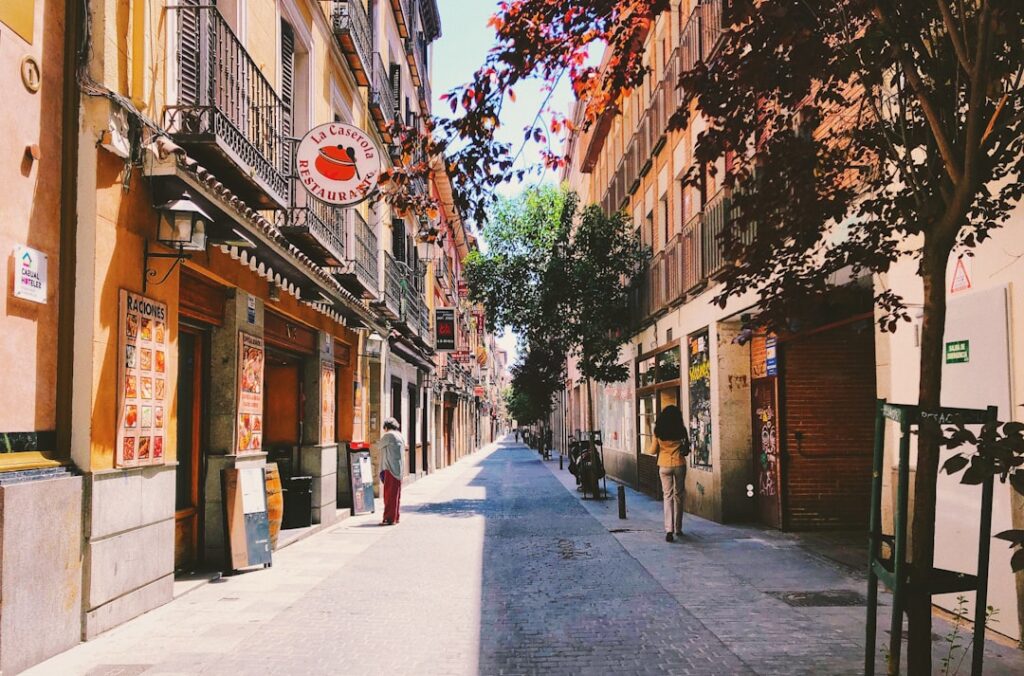
Most small shops, family-run businesses, and many restaurants close between 2 p.m. and 5 p.m., especially outside major tourist zones. In smaller cities like Toledo, Córdoba, or Granada, this is nearly universal. You’ll find bakeries, boutiques, hardware stores, and neighborhood bars shuttered during these hours.
Supermarkets in cities often stay open, and large chain stores (El Corte Inglés, Zara, H&M) rarely close midday. Major museums like the Prado, the Reina Sofía, and the Picasso Museum in Barcelona keep continuous hours. But smaller museums, especially in Andalusia and Castile, frequently close from 2 to 4 or 5 p.m.
Banks close by 2 p.m. and don’t reopen. Pharmacies rotate—one in each neighborhood stays open during siesta and overnight, marked with a green cross and a sign listing the farmacia de guardia.
In August, especially the second half, many small businesses in Madrid and Barcelona close for a week or two as owners head to the coast or the mountains. It’s Spain’s collective vacation, and you’ll see “cerrado por vacaciones” signs taped to doors across entire neighborhoods.
Spain’s Meal Schedule: When to Eat
Spaniards eat lunch between 2 and 4 p.m.—this is the main meal of the day, often a three-course menú del día with wine. Restaurants fill up around 2:30 p.m., and kitchens start closing by 4 p.m. If you want a proper sit-down lunch, don’t arrive at 1 p.m. expecting a crowd or at 4:30 p.m. expecting service.
Dinner doesn’t start until 9 or 10 p.m. Walk into a restaurant at 7 p.m., and you’ll likely be the only one there—or it won’t be open yet. Madrileños and Sevillanos often eat closer to 10 or 10:30 p.m., especially on weekends. In Barcelona and the north, it skews slightly earlier, but 8:30 p.m. is still considered early.
If you’re hungry at 6 p.m., hit a tapas bar. They’re often open continuously or reopen by 7 p.m. In cities like Madrid, San Sebastián, and Seville, the early evening is prime time for a caña and a few small plates before the real dinner hour begins.
Evening Hours: When Spain Wakes Up
Shops reopen around 5 or 5:30 p.m. and stay open until 8 or 8:30 p.m., sometimes later in summer or in shopping districts. This is when locals do their errands, and the streets get busy again.
The paseo—the evening stroll—happens between 7 and 9 p.m. Plazas fill with families, couples, and retirees. It’s when you’ll see Spanish life in full swing: kids running around, people catching up over a drink, the city shaking off the afternoon heat.
Bars and clubs don’t get going until late. A bar might start filling around 10 or 11 p.m.; clubs don’t see real crowds until 1 or 2 a.m. If you’re planning a night out in Madrid’s Malasaña, Barcelona’s El Raval, or Seville’s Alameda de Hércules, don’t show up at 9 p.m.
How to Plan Your Day Around the Rhythm
Start early. Museums and major sights open by 9 or 10 a.m., and mornings are cooler and less crowded. By 1 p.m., you’ve seen what you need to see, and you can settle in for lunch as the city winds down.
Embrace the afternoon lull. Don’t fight the siesta—use it. Head back to your hotel or apartment, rest, read, nap. In summer, when temperatures in Seville or Córdoba hit 40°C (104°F), being outside midday isn’t pleasant anyway.
Plan shopping and neighborhood walks for late afternoon and early evening. The best light for photography, the liveliest plazas, and the most active streets happen after 6 p.m.
Eat on the local schedule at least a few times. A 3 p.m. lunch with a bottle of Rioja, a slow evening of pintxos in San Sebastián starting at 8 p.m., or a 10 p.m. dinner in Madrid will connect you to the rhythm of Spanish life far more than any guidebook.
If you’re catching a train or need something specific, check hours in advance. Apps like Google Maps show real-time open/closed status, but always assume smaller spots close midday.
Regional Variations Worth Knowing
The siesta is less rigid in Barcelona and the Basque Country, where international and northern European influence means more continuous schedules. Big cities adapt more to tourist and business expectations.
In Andalusia—Seville, Granada, Córdoba, Málaga—the midday break is sacred, especially in summer. The heat makes it necessary, not optional. Shops may stay closed until 5:30 or 6 p.m.
On the islands—Mallorca, Ibiza, Menorca—resort towns and beach areas stay open longer and adapt to tourist rhythms, but step into a village inland, and the old schedule holds.
Galicia and the north keep slightly earlier hours overall. Dinner at 9 p.m. is normal, lunch might start closer to 1:30 p.m., and the cooler climate means less need for a long afternoon break.
Spain’s schedule isn’t inconvenient—it’s intentional. It’s built around long meals, social connection, and avoiding the worst heat of the day. Once you stop trying to fit a 9-to-5 rhythm onto a country that works differently, you’ll find it’s one of the most enjoyable parts of being here.
Want more insider tips on traveling Spain? Subscribe to the Love Spain newsletter and get one short story a day—practical advice, hidden corners, and the Spain beyond the guidebooks.
Tours & experiences in Spain


Powered by Viator. Some links are affiliate links — we may earn a small commission at no extra cost to you.