
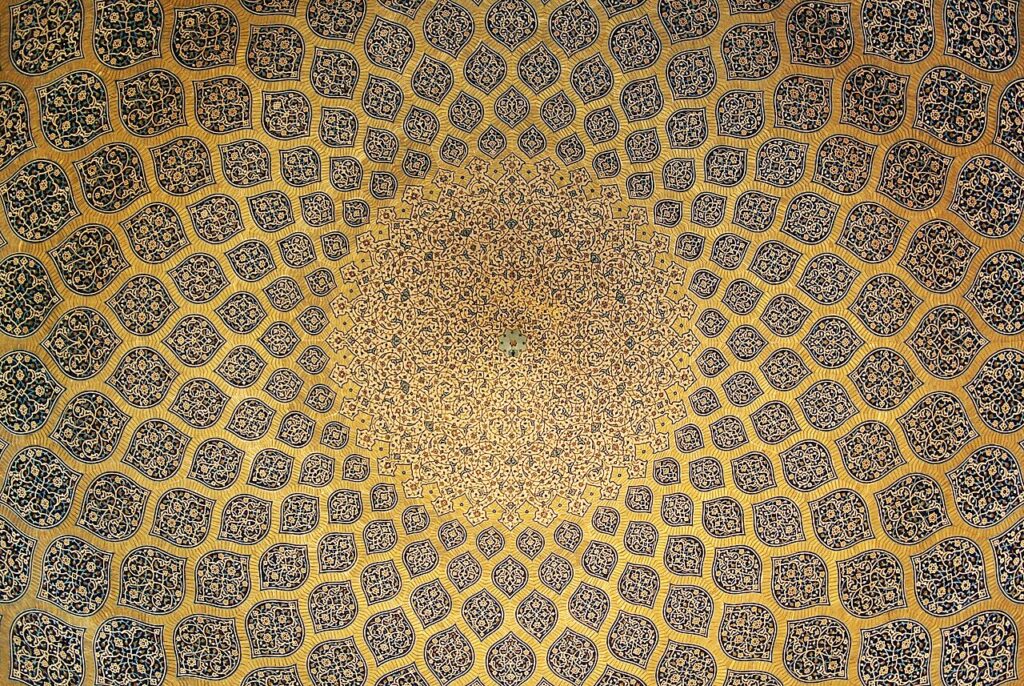
The Mezquita of Córdoba is unlike any other building in Europe. Step through its doors and you’re standing in a forest of 856 marble and jasper columns, crowned by horseshoe arches striped in red brick and white stone. The effect is hypnotic—rows that seem to stretch forever, light filtering through in soft shafts, silence broken only by footsteps on stone.
This is the Great Mosque of Córdoba, built in stages between 785 and 987 during the city’s golden age as the capital of Moorish Spain. After the Christian conquest in 1236, it became a cathedral—and in the 16th century, they built a Renaissance nave right in the middle. The result is architectural whiplash, controversial then and now, but undeniably powerful.
Here’s how to visit, what not to miss, and how to beat the crowds.
When to Go and How to Get Tickets
The Mezquita sits in the heart of Córdoba’s old Jewish quarter, just steps from the Puente Romano. It’s open Monday through Saturday from 10 a.m. to 7 p.m., and Sundays from 8:30 a.m. to 11:30 a.m. and 3 p.m. to 7 p.m. Get there early or late—mid-morning and early afternoon are packed with tour groups.
Buy tickets online in advance. General admission is €13; audioguides are €6 extra and worth it for the historical context. If you want a guided tour in English or Spanish, book ahead—Viator runs excellent small-group tours that include skip-the-line access and expert commentary.
One insider trick: if you’re Catholic and want to attend morning Mass (free, weekdays at 9:30 a.m.), you can enter the building for worship and stay to look around afterward. Respectful behavior is expected.
What to See Inside
Start in the Patio de los Naranjos, the orange tree courtyard where worshippers once performed ablutions before prayer. The trees are arranged in rows that mirror the columns inside—a deliberate visual echo. In spring, the scent of orange blossom is intoxicating.
Enter through the Puerta de las Palmas and you’re immediately in the prayer hall. The original mosque had 11 naves; successive caliphs expanded it until it could hold 40,000 worshippers. Walk slowly. Let your eyes adjust. The columns are recycled Roman and Visigothic marble, no two exactly alike, and the double-tiered arches were an engineering innovation that allowed the roof to soar higher.
The mihrab—the prayer niche indicating the direction of Mecca—is the mosque’s crowning jewel. It’s tucked into the south wall, surrounded by Byzantine mosaics of gold, turquoise, and cobalt blue, a gift from the emperor in Constantinople. The calligraphy and geometric patterns are stunning, and the horseshoe arch above is one of the most photographed details in Spain.
In the center of the mosque, you’ll find the cathedral nave, a soaring Gothic and Renaissance space that cleaves the prayer hall in two. Emperor Charles V authorized its construction in 1523, then reportedly regretted it, saying, “You have built what you or others might have built anywhere, but you have destroyed something that was unique in the world.” The contrast is jarring, but it’s also a vivid reminder of Córdoba’s layered history.
Don’t miss the choir stalls, carved in mahogany by Pedro Duque Cornejo in the 18th century, and the Capilla de Villaviciosa, where the original mosque’s horseshoe arches frame Christian altarpieces.
After Your Visit
The Mezquita sits in the Judería, Córdoba’s old Jewish quarter, a maze of whitewashed alleys, flower-filled patios, and quiet plazas. Walk down Calleja de las Flores for the postcard view of the bell tower framed by geraniums. Visit the 14th-century Sinagoga on Calle Judíos—one of only three medieval synagogues left in Spain.
For lunch, head to Bodegas Mezquita on Calle Céspedes for salmorejo (Córdoba’s cold tomato soup, thicker and richer than gazpacho) and rabo de toro (oxtail stew, a local specialty). Or try Taberna Salinas on Calle Tundidores, a old-school spot with checked tablecloths and excellent flamenquín—breaded pork roll stuffed with jamón.
If you’re staying overnight, the Mezquita is even more magical at dusk, when the crowds thin and the honey-colored stone glows in the late light. Córdoba is small enough to see in a day trip from Seville or Madrid, but it deserves a night.
Getting There
Córdoba is on the high-speed AVE line between Madrid and Seville—90 minutes from Seville, 1 hour 45 minutes from Madrid. The train station is a 20-minute walk or short taxi ride from the Mezquita. If you’re driving, park outside the old town; the Judería is pedestrian-only.
Spring and fall are the best seasons—Córdoba bakes in July and August, when temperatures regularly hit 40°C (104°F). May is ideal: the city’s famous patios are in full bloom, and the Festival de los Patios opens dozens of private courtyards to the public.
Want more stories like this? Subscribe to the Love Spain newsletter—one short story a day, straight to your inbox, with the Spain beyond the guidebooks.
Heads up — some links in this article are affiliate links. If you sign up through them, we may earn a small commission at no extra cost to you. We only recommend tools we use ourselves.
Tours & experiences in Spain


Powered by Viator. Some links are affiliate links — we may earn a small commission at no extra cost to you.