
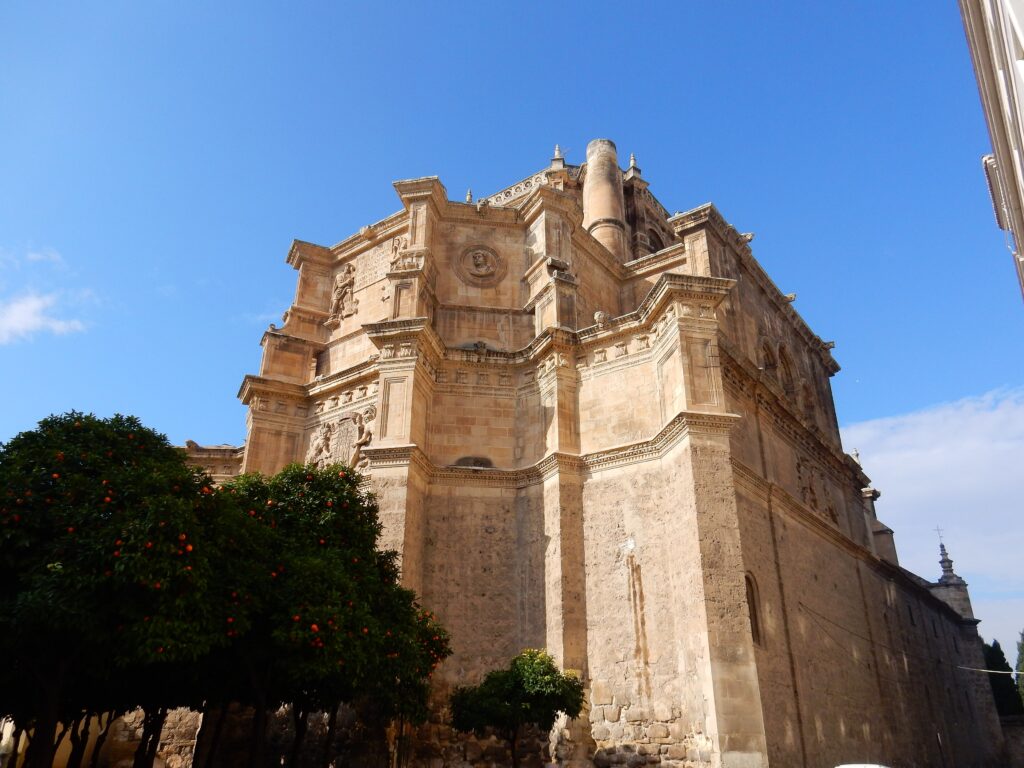
Most visitors to Granada make a beeline for the Alhambra, spend three hours wandering the Nasrid Palaces, and call it a day. They’re missing the point. Granada is a city where Moorish culture didn’t just leave monuments—it wove itself into the fabric of daily life. The call to prayer may be gone, but the tea houses remain, the Arabic baths still steam, and the neighborhood that once housed the Alhambra’s servants is now one of Europe’s most enchanting quarters.
This is the Granada that rewards the traveler who stays an extra day, wanders without a map, and follows the scent of jasmine up a cobblestone hill.
The Albaicín: Get Lost on Purpose
The Albaicín is Granada’s old Moorish quarter, a UNESCO World Heritage site that sprawls across the hill facing the Alhambra. Forget trying to navigate it logically—the neighborhood was designed to confuse invaders, and it still does. That’s the appeal.
Start at Plaza Nueva and head uphill on Calle Elvira, but take every third or fourth turn that looks interesting. You’ll stumble onto tiny plazas with fountains, Carmen houses (traditional villas) hidden behind high walls, and viewpoints that frame the Alhambra like a painting. The Mirador de San Nicolás is the famous sunset spot, but it’s packed. Walk five minutes further to Mirador de San Cristóbal for the same view with a fraction of the crowd.
In the Albaicín, stop at any bar advertising free tapas with drinks—this is Granada’s defining tradition, and it’s serious business here. A small beer at Bar Poe gets you a heaping plate of whatever the kitchen feels like making. At El Trillo, on Calle Callejón de Aljibe de Trillo, the tortilla española alone is worth the climb.
Sacromonte: Cave Culture and Flamenco
Just beyond the Albaicín, the hill of Sacromonte rises above the Darro River valley. This is where Granada’s Roma community settled centuries ago, carving homes into the hillside. Many of those cave houses still exist, and some have been converted into flamenco venues and museums.
The Museo Cuevas del Sacromonte offers context—furnished cave dwellings, blacksmith tools, and exhibits on the neighborhood’s history. But the real experience is catching a flamenco show in one of the zambras, the intimate cave performances that feel more like a family gathering than a tourist attraction. Cueva de la Rocío and La Alboreá are the most authentic. Shows are small, intense, and usually include a drink. Book ahead.
For dinner, head down to the lower Sacromonte and try Jardines de Zoraya, where the patio garden serves as the stage. The food’s solid (try the remojón granadino, a salad of oranges, cod, and olives), and the flamenco is less touristy than the hillside caves.
The Alcaicería and the Moorish Soul
Granada’s Alcaicería is a reconstruction of the old Moorish silk market, a maze of narrow lanes crammed with shops selling ceramics, spices, and lanterns. It’s touristy, yes, but it’s also atmospheric. Duck into one of the many teterías—Moroccan-style tea houses with low cushions, painted tiles, and menus listing thirty kinds of tea. Tetería Nazarí, just off Calle Calderería Nueva, has been here for decades and still feels like a secret.
A few blocks away, the Hammam Al Andalus offers the experience of an Arab bath—warm, hot, and cold pools in a candle-lit stone chamber. It’s pricey but transporting, and you’ll leave feeling like you’ve shed the dust of every cobblestone you’ve walked.
Practical Tips for Granada
Granada is compact and walkable, but those hills are steep. Wear good shoes. The city is busiest from April through October; if you can visit in late winter or early spring, you’ll have cooler weather and thinner crowds.
The Alhambra requires advance tickets—book weeks ahead if you’re visiting in high season. But don’t let it dominate your itinerary. Two nights in Granada is the minimum to see the palace and explore the neighborhoods properly.
The airport is small, with limited connections. Most travelers arrive by bus from Seville (3 hours) or Madrid (5 hours), or take the train to Granada station, a short taxi ride from the center.
If you’re based in Madrid and considering a day trip, it’s doable but rushed. Granada deserves to be savored slowly, ideally over a long lunch in the Albaicín followed by an evening wander and late tapas. That’s when the city comes alive.
Want one story a day about the Spain beyond the guidebooks? Subscribe to the Love Spain newsletter—short, specific, and written for travelers who want to go deeper.
Tours & experiences in Spain


Powered by Viator. Some links are affiliate links — we may earn a small commission at no extra cost to you.