
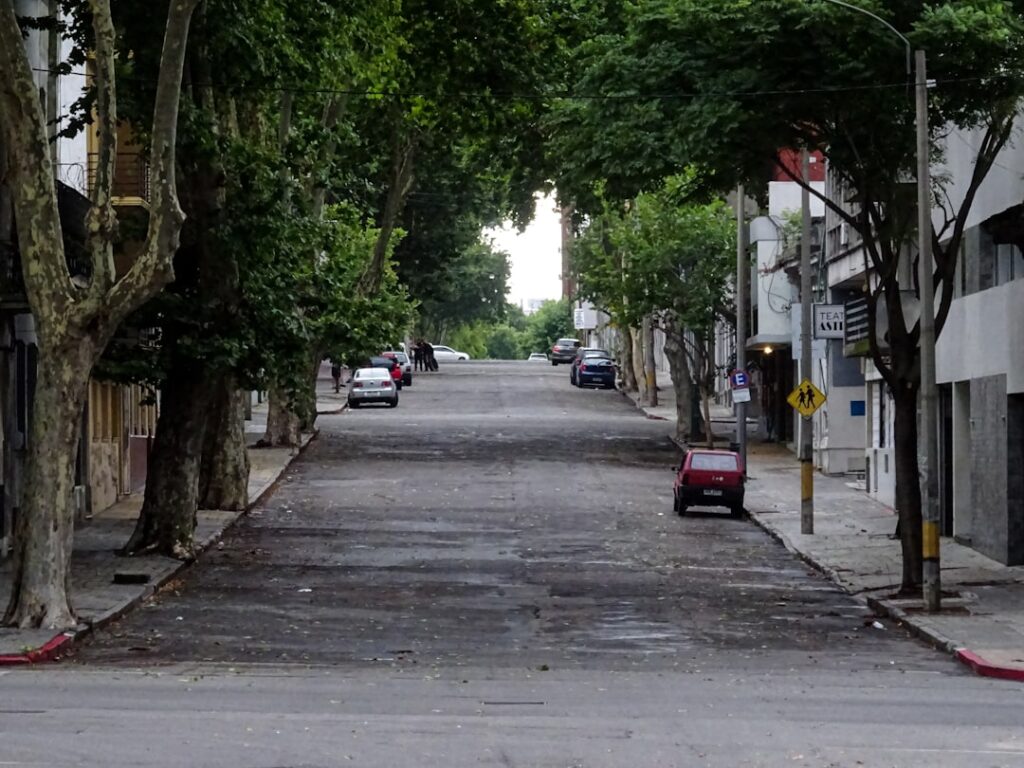
Seville invented the tapas bar as we know it today, and eating your way through the city remains one of the great pleasures of Andalusian travel. Forget the tourist traps around the cathedral. The best tapas in Seville are found in neighborhood bars where locals crowd the counter at 2 p.m. and again at 9 p.m., ordering jamón, pescaíto frito, and spinach with chickpeas by the plateful.
Here’s where to go, what to order, and how to eat like a sevillano.
El Centro: Traditional Bars Near the Cathedral
The historic center is tourist-heavy, but a handful of old-school bars still serve excellent tapas to locals and visitors alike. Bar El Comercio on Calle Lineros has been frying torrijas (Spanish-style French toast) since 1904—order them even if it’s not Semana Santa. Around the corner, Bodega Santa Cruz (also called Las Columnas) on Calle Rodrigo Caro packs in crowds for montaditos of lomo and pringá, the shredded meat stew left over from Sunday’s cocido.
For something more refined, head to Eslava on Calle Eslava in the Alameda de Hércules area. Chef Javier Abascal serves both traditional and modern tapas—don’t miss the huevo de Eslava, a soft-cooked egg with foie gras and caramelized onions. Arrive early or expect to wait.
Triana: Neighborhood Bars Across the River
Cross the Puente de Isabel II into Triana, Seville’s former Gypsy quarter and the spiritual home of flamenco. The bars here are local haunts first, tourist stops second. Bar Las Golondrinas on Calle Antillano Campos serves some of the best fried fish in the city—order the chocos (cuttlefish), cazón en adobo (marinated dogfish), and ortiguillas (sea anemones) if you’re feeling brave.
A few blocks away, La Antigua Abacería de San Lorenzo on Calle Tetuán offers a quieter alternative with excellent cured meats, cheeses, and house-made croquetas. The wines are carefully chosen, and the crowd is largely sevillano. On the Triana side of the river near the Mercado de Triana, Bar Blanco Cerrillo serves classic tapas in a no-frills setting—order whatever fish they’re frying that day.
Alameda de Hércules: Modern Tapas and Young Crowds
The Alameda, a long tree-lined plaza north of the center, has become Seville’s hub for modern tapas and creative cooking. Duo Tapas on Calle Jesús del Gran Poder is tiny, inventive, and consistently good—try the tuna tataki or the cauliflower with romesco. La Bartola on Alameda de Hércules itself serves market-driven small plates and natural wines in a casual, brick-walled space.
Nearby on Calle Conde de Torrejón, La Azotea offers polished modern tapas at reasonable prices. The salmorejo with tuna belly and the oxtail brioche are standouts. It’s busier and more tourist-friendly than most bars in the Alameda, but the quality is high.
What to Order and How to Eat
In Seville, tapas come in three sizes: a tapa (small), a media ración (half portion), and a ración (full plate). Most locals order a mix of tapas and medias, moving from bar to bar as the evening unfolds. It’s normal to eat standing at the counter, and it’s often faster than waiting for a table.
Order what’s in season: tomatoes and gazpacho in summer, wild mushrooms in fall, artichokes in spring. Classics like espinacas con garbanzos (spinach with chickpeas), carrillada (braised pork cheek), and pavías de bacalao (battered cod) appear on nearly every menu. Pair everything with manzanilla or fino sherry—chilled, dry, and perfect with salty, fried food.
Don’t overthink it. The best meals in Seville happen when you wander into a crowded bar, order what the person next to you is eating, and stay for another round.
Want more insider tips on Spain’s food, fiestas, and hidden corners? Subscribe to the Love Spain newsletter and get one short story a day, straight to your inbox.
Tours & experiences in Spain


Powered by Viator. Some links are affiliate links — we may earn a small commission at no extra cost to you.