
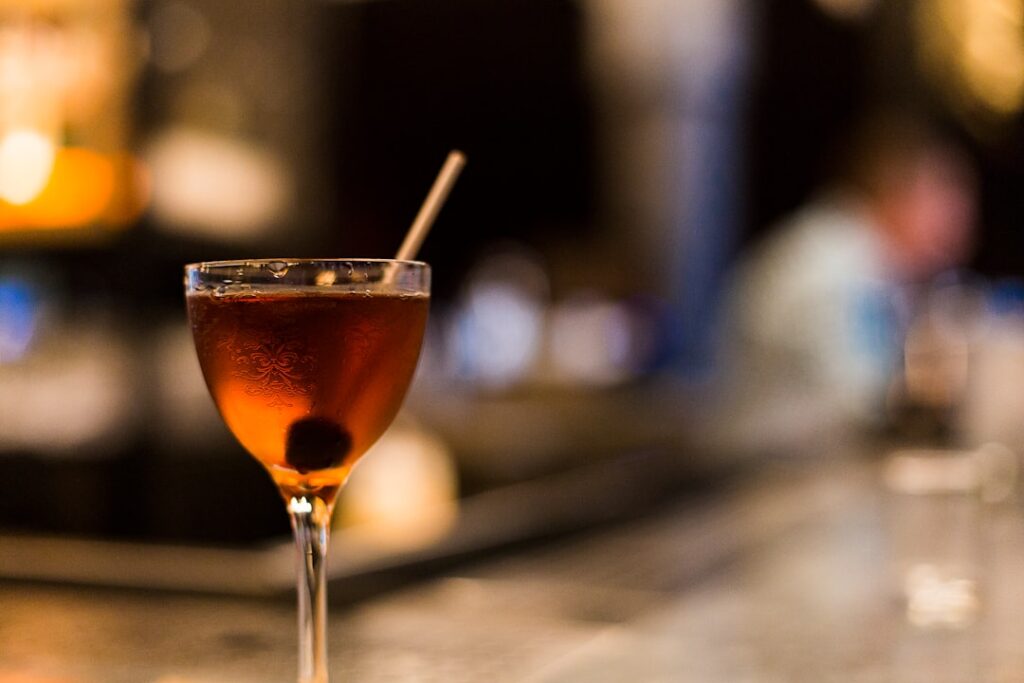
Jerez de la Frontera, tucked between Seville and Cádiz in Andalusia, is the birthplace of sherry. Forget the dusty bottle gathering dust in your grandmother’s cupboard—real sherry, tasted in the city where it’s made, is a revelation. From bone-dry fino to rich, nutty oloroso, the diversity is remarkable, and Jerez offers the chance to taste it at the source, in historic bodegas and bustling tapas bars where locals have been drinking it for generations.
Here’s where to drink sherry in Jerez, from cellar tours to neighborhood bars where a copa of fino costs less than two euros.
The Historic Bodegas
Jerez’s great sherry houses—Tio Pepe, Lustau, González Byass, Sandeman—are clustered in the old town, their white-walled complexes housing vast cathedral-like cellars filled with stacked barrels. These aren’t just production facilities; they’re museums of a centuries-old craft, and most offer excellent guided tours.
Start with Bodegas Tio Pepe (González Byass), the most famous. The tour takes you through the atmospheric cellars, explains the solera aging system, and ends with a tasting of four or five sherries. The fino is what they’re known for—pale, bracing, and perfect with almonds. Book ahead online; tours run daily and include English-language options.
For a more intimate experience, visit Bodegas Lustau on Calle Arcos. The tour is smaller, the guides more relaxed, and the tastings more generous. You’ll try rare sherries, including aged amontillados and PX (Pedro Ximénez), the dark, syrupy dessert sherry that tastes like liquid raisins. It’s a ten-minute walk from the cathedral.
Bodegas Tradición, near the Alcázar, is smaller still and doubles as an art museum, with works by Goya, Velázquez, and Zurbarán lining the tasting room walls. The sherries here are old, complex, and expensive—but worth it if you want to understand what aged sherry can become.
Tabernas and Tapas Bars
The real magic of sherry in Jerez happens not in the bodegas but in the bars, where locals drink it all day long—usually a small copa of fino or manzanilla with tapas. Sherry is meant to be drunk cold, fresh, and often, ideally with food.
Tabanco El Pasaje, on Calle Santa María, is the most atmospheric. Tabancos are traditional sherry bars, and this one has barely changed in a century: sherry poured straight from the barrel, jamón hanging from the ceiling, flamenco on weekend afternoons. Order a copa of fino and some boquerones (marinated anchovies) or tortillitas de camarones (shrimp fritters). It’s crowded, loud, and perfect.
Down the street, Bar Juanito is a local institution. The kitchen serves some of the best tapas in Jerez—riñones al jerez (kidneys in sherry sauce), cola de toro (oxtail), and gambas al ajillo (garlic shrimp). Pair everything with manzanilla or amontillado. It’s standing-room-only at lunch, but that’s part of the charm.
For a quieter experience, try La Cruz Blanca on Calle Lancería, near Plaza del Arenal. It’s a family-run tabanco with excellent montaditos (small sandwiches) and a sherry list that includes rarities from small producers. The staff will guide you through the styles if you’re new to sherry.
Understanding Sherry Styles
Sherry can be confusing at first, but once you understand the basics, it’s easy to navigate. Fino and manzanilla are the lightest and driest, aged under a layer of yeast called flor. They’re crisp, saline, and best served ice-cold with olives, almonds, or seafood. Manzanilla comes specifically from Sanlúcar de Barrameda, just down the coast, and has a slightly more delicate, coastal character.
Amontillado starts as a fino but ages further after the flor dies, developing a darker color and nutty, complex flavors. Oloroso is richer still, aged without flor, and can range from dry and savory to sweet and intense. Pedro Ximénez (PX) is the dessert sherry, made from sun-dried grapes and thick as syrup—pour it over vanilla ice cream.
Most bars will let you try before you buy, so don’t be shy about asking.
When to Visit and How to Get There
Jerez is best visited in spring (April and May) or fall (September and October), when the weather is warm but not punishing. The city hosts the Feria del Caballo in early May, a week-long horse fair with flamenco, sherry, and Andalusian pageantry—book accommodations well in advance if you’re visiting then.
Jerez is an hour by train from Seville and 40 minutes from Cádiz. The train station is a 20-minute walk from the old town, or take a taxi for around six euros. Most bodegas and bars are within walking distance of each other in the compact historic center.
Pack comfortable shoes—Jerez’s cobblestone streets and midday heat make for slow, pleasant wandering between tastings.
Want more stories like this? Subscribe to the Love Spain newsletter—one short story about Spain, delivered daily.
Tours & experiences in Spain


Powered by Viator. Some links are affiliate links — we may earn a small commission at no extra cost to you.