

While Seville may claim the throne of flamenco, Granada‘s Sacromonte neighborhood offers something you won’t find anywhere else: intimate flamenco performances in centuries-old cave dwellings carved into the hillside above the Alhambra. These zambras—flamenco shows unique to Granada’s gitano (Roma) community—deliver raw, authentic performances in settings that have hosted dance and music for generations.
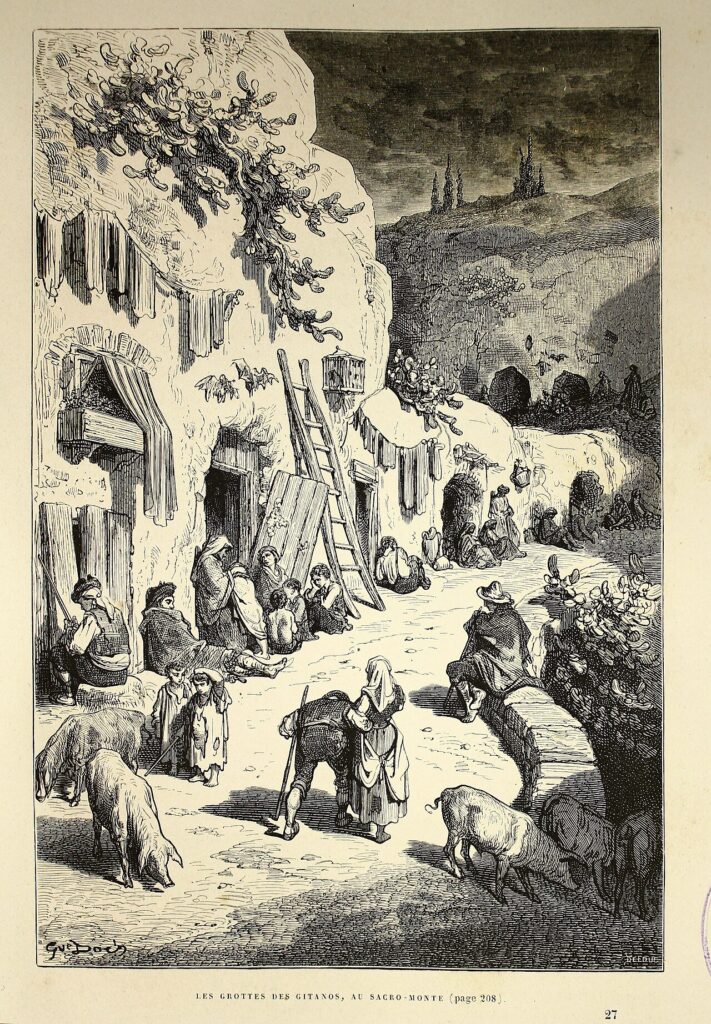
The cuevas (caves) of Sacromonte aren’t tourist fabrications. Families have lived in these whitewashed hillside homes since the 15th century, and many of today’s performers trace their flamenco lineage back just as far. The acoustics are remarkable, the atmosphere electric, and the connection between audience and artist closer than you’ll find in any theater.
The Best Cave Venues in Sacromonte
Venta El Gallo sits high on the Camino del Sacromonte with sweeping views over the Alhambra and Albaicín. The Heredia family has run this cave for more than 50 years, and their shows focus on traditional zambra styles—sharp footwork, hand-clapping palmas, and gut-wrenching vocals. Performances run nightly at 9:00 PM and 10:30 PM. Arrive early to claim a seat near the front; the cave holds only about 70 people.
Cueva de la Rocío, further up the hill near the Abadía del Sacromonte, offers a more stripped-down experience. The intimate space seats fewer than 50, and the performers—often members of the Maya family—engage directly with the audience between sets. Shows here lean heavily on soleá and seguiriya, the deepest and most mournful flamenco styles.
Los Tarantos, located lower on the hillside near Calle del Sacromonte 9, has been hosting zambras since 1972. The cave itself is beautifully decorated with copper pots, woven baskets, and traditional gitano crafts hanging from the whitewashed walls. Their resident bailaora (female dancer), Carmen Ledesma, is one of Granada’s finest, known for her precise footwork and fierce stage presence.
What Makes Sacromonte Flamenco Different
The zambra style originated with Granada’s gitano community and carries distinct Moorish influences—you’ll hear it in the melismatic vocal runs and see it in the sinuous hand movements. Unlike the more structured tablao shows in Madrid or Seville, Sacromonte performances feel spontaneous and conversational. Dancers might pause mid-song to banter with the guitarist, or the cantaor (singer) will suddenly launch into an unplanned verse if the mood strikes.
The cave setting intensifies everything. Sound bounces off curved walls and low ceilings, making every heel strike and hand clap visceral. When a bailaor stomps the floor during a farruca, you feel it in your chest. The closeness means you see the sweat on the dancers’ faces, the tension in the guitarist’s fingers, the raw emotion in the singer’s throat.
Most shows run about an hour and include three or four different palos (flamenco styles)—expect alegrías, bulerías, tangos, and at least one soul-crushing soleá. Drink service is minimal: usually wine, beer, or soft drinks included in your ticket price.
How to Get There and Practical Tips
Sacromonte climbs steeply above the Albaicín neighborhood. From Plaza Nueva in central Granada, it’s about a 25-minute uphill walk along Carrera del Darro (one of Spain’s most beautiful streets) and then up Camino del Sacromonte. The climb is worth it for the views alone, but wear comfortable shoes—the cobblestones are uneven and the gradient relentless.
Taxis will take you directly to any of the cave venues for around €8 from the city center. If you’re attending a later show, book a taxi in advance for the return trip; finding one on the hillside after 11:00 PM can be difficult.
Most venues require reservations, especially in summer and during Semana Santa. Book directly through the venue’s website or by phone—commission-free and often cheaper than third-party booking sites. Tickets typically run €20 to €30 per person, including one drink.
Shows start promptly, and latecomers disrupt the performance. Plan to arrive 15 minutes early. Dress is casual, but the caves can be warm with a full crowd—skip the heavy layers.
When to Visit
Flamenco in Sacromonte happens year-round, but winter performances (November through February) offer a special intimacy. The crowds thin out, the caves stay warmer than the chilly Granada nights outside, and performers often linger after shows to chat with visitors.
Summer brings larger audiences and more energy, but also more tourists and higher ticket prices. Spring and fall strike the best balance—pleasant weather for the walk up, manageable crowds, and performers at the top of their game before or after the summer rush.
Avoid going on the same night you visit the Alhambra unless you have serious stamina. Both experiences demand your full attention and emotional energy. Give Sacromonte its own evening, ideally after you’ve spent the afternoon wandering the Albaicín and watching sunset from the Mirador de San Nicolás.
Granada’s flamenco caves aren’t just performances—they’re a living tradition, passed down through families and inseparable from the hillside community that created them. You’ll leave with the rhythms still echoing in your head and a deeper understanding of why flamenco is Spain’s soul made visible.
Want more insider tips on Spain’s music, festivals, and hidden cultural gems? Subscribe to the Love Spain newsletter and get one short story a day, straight to your inbox.
Tours & experiences in Spain


Powered by Viator. Some links are affiliate links — we may earn a small commission at no extra cost to you.