
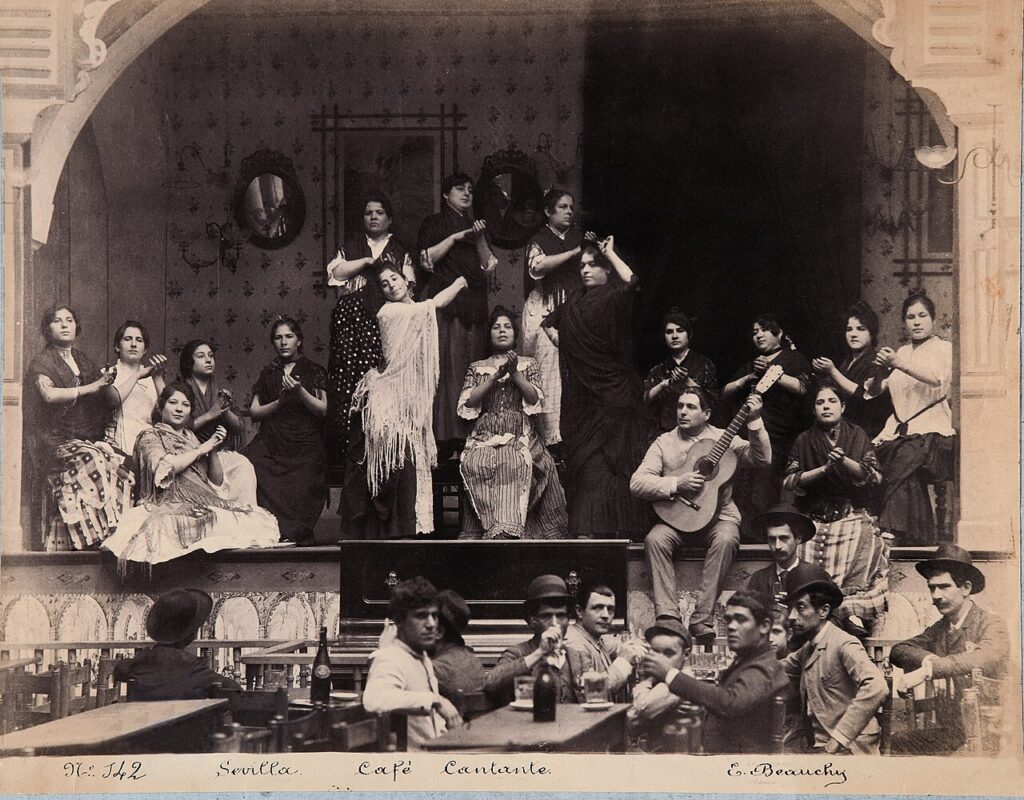

Seville is the beating heart of flamenco. While you’ll find performances across Andalusia, nowhere else matches the depth, variety, and authenticity of what this city offers. But navigating the flamenco scene here requires some insider knowledge—the difference between a memorable night and an overpriced tourist show often comes down to knowing where to go.
Here’s your guide to experiencing flamenco in Seville, from the polished tablaos to the raw energy of neighborhood peñas.
Understanding the Venues: Tablaos vs. Peñas
Seville’s flamenco venues fall into two main categories, each offering a different experience.
Tablaos are professional theaters designed for tourists and locals alike. They feature highly skilled performers, fixed showtimes (usually around 7pm and 9pm), and include a drink or full dinner with your ticket. The atmosphere is formal, the production values high, and you’re guaranteed a quality show. Expect to pay €25 to €50 for a show with a drink, more if you opt for dinner.
Peñas are members-only flamenco clubs where locals gather to practice, perform, and preserve the art form. Many welcome visitors for a small cover charge (€10 to €15), especially on performance nights. The setting is casual—folding chairs, intimate quarters, performers who might be your neighbor by day. Shows are unpredictable and often start late, but when the duende (that untranslatable flamenco magic) arrives, there’s nothing else like it.
The Best Tablaos in Seville
For a reliably excellent performance with all the comforts, head to one of these established tablaos.
La Casa del Flamenco in the Santa Cruz neighborhood performs in a stunning 15th-century mansion. The intimate setting (capacity around 100) means you’re close to the dancers no matter where you sit. Shows run nightly at 7pm and 8:30pm. Book online in advance—this one fills up fast.
Museo del Baile Flamenco, founded by legendary dancer Cristina Hoyos, offers performances in a beautiful courtyard space on Calle Manuel Rojas Marcos. The museum itself is worth visiting during the day, and evening shows at 7pm and 8:30pm showcase both established artists and promising newcomers. Tickets start around €24.
Casa de la Memoria occupies a renovated 18th-century palace in the Jewish Quarter. The acoustics in the old courtyard are exceptional, and the company focuses on traditional palo (flamenco styles) rather than flashy choreography. Shows at 7:30pm and 9pm nightly.
Authentic Peñas: Where Locals Go
For the real deal, venture to one of Seville’s traditional peñas. These aren’t tourist attractions—they’re community institutions where flamenco lives and breathes.
Peña Flamenca Torres Macarena in the Macarena neighborhood hosts performances most Thursday and Saturday nights starting around 10pm (check their schedule, as it varies). The space is modest, the chairs uncomfortable, and the performers might include a taxi driver or a teacher who happens to have an extraordinary voice. Cover is usually €10, sometimes less.
La Carbonería straddles the line between peña and bar. This sprawling venue on Calle Céspedes in Santa Cruz offers free flamenco most nights around 9pm and 11pm—you just pay for drinks. The quality varies wildly depending on who’s performing, but the relaxed atmosphere and zero pressure make it perfect for first-timers who want to dip their toes in.
Peña Flamenca El Cerro in the Cerro del Águila neighborhood is about as authentic as it gets. Performances happen irregularly—usually Friday or Saturday nights—and attract serious aficionados. This is where you might see a legendary cantaor (singer) drop by to perform with friends. Call ahead or check their social media for the schedule.
When to Go and What to Expect
September through May is prime flamenco season in Seville. Many venues close or reduce schedules in July and August when locals flee the heat. The Bienal de Flamenco, held every other September (next in 2026), brings world-class performers to town for three weeks of extraordinary shows.
For tablaos, book at least a few days in advance, especially for weekend shows. Arrive 15 minutes early to get seated. If you’re buying dinner tickets, know that the food is rarely the highlight—stick to the drink-only option unless you’re genuinely hungry.
At peñas, dress casually and bring cash for the cover charge and drinks. Shows often start late and run long—that 10pm start time might mean 10:45pm in practice. Silence your phone, hold your applause until the end of each piece, and when something moves you, a heartfelt “olé” is always welcome.
One final tip: avoid the massive dinner-and-show venues advertising on the tourist strips. If it seats 300 people and offers a three-course menu for €45, you’re in for a mediocre night.
Want more insider guides to experiencing Spain’s culture, food, and hidden corners? Subscribe to the Love Spain newsletter and get one short story delivered to your inbox every day—the Spain you came here to find.
Tours & experiences in Spain


Powered by Viator. Some links are affiliate links — we may earn a small commission at no extra cost to you.