
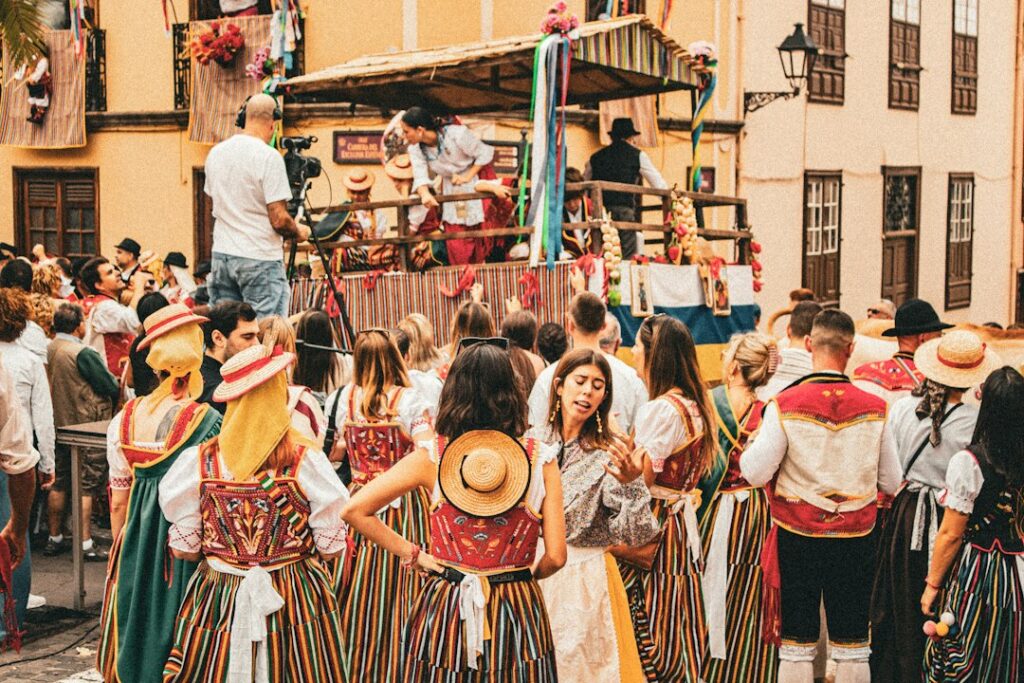
One week after Semana Santa ends, Seville transforms again. The April Fair—La Feria de Abril—takes over the Los Remedios district with more than a thousand casetas (decorated tents), horse-drawn carriages, flamenco music until dawn, and an entire city dressed in polka dots and ruffles. It’s pure Andalusian spectacle, and if you time your trip right, it’s unforgettable.
The fair runs for six days, typically starting two weeks after Easter Sunday. In 2027, that means late April or early May—dates shift yearly, so check before booking. The fairground sits along Calle Hellín in Los Remedios, a short taxi ride or tram journey from the historic center.
Understanding the Casetas
The casetas are the heart of the Feria. These temporary pavilions—some tiny, some warehouse-sized—belong to families, social clubs, businesses, and political groups. Most are private. You need an invitation to enter, and that’s where many first-timers hit a wall.
But don’t let that discourage you. About a dozen casetas are public, open to anyone. The largest is the Caseta Municipal, run by the city, near the main entrance. It’s huge, loud, and packed, but you’ll get the full experience: rebujito (sherry mixed with lemon soda), fried fish, and live sevillanas music. Other public options include casetas run by local associations and political parties—look for signs reading “Caseta Pública.”
If you’re staying in Seville for a few days, ask your hotel or Airbnb host if they have connections. Locals love sharing the fair with curious visitors, and an invitation often materializes with a simple conversation.
What to Wear and When to Go
During the day, the fair is about horses. Riders in traditional traje corto (short jackets and flat-brimmed hats) parade through the streets on horseback or in carriages, often with a woman in a flamenco dress riding sidesaddle behind them. It’s elegant, old-world Seville.
At night, the fair explodes. The casetas fill up, the music gets louder, and the dancing begins. Most locals don’t arrive until 10 or 11 p.m., and the party runs until 4 or 5 a.m. The fair officially opens at midday, but the real energy starts after dark.
If you’re a woman and want to wear a traje de flamenca (flamenco dress), go for it. Shops across Seville rent and sell them year-round, and you’ll see tourists and locals alike in full regalia. Men typically wear a suit or smart casual attire—some opt for the traje corto, but that’s less common unless you’re riding a horse.
What to Eat and Drink
The food at the Feria is simple and perfect: jamón, fried fish (pescaíto frito), grilled prawns, and churros at dawn. Every caseta serves rebujito, the unofficial drink of the fair. It’s deceptively light and dangerously easy to drink too much of.
Sherry flows freely too, especially manzanilla and fino. If rebujito isn’t your style, ask for a copa de fino—it’s drier, more elegant, and pairs beautifully with the salty, fried food.
Don’t expect gourmet dining. The Feria is about atmosphere, not innovation. Eat what everyone else is eating, drink what they’re drinking, and settle in.
Getting There and Practical Tips
The fairground is a 20-minute walk from central Seville, but most people take a taxi or the T1 tram from Plaza Nueva. The tram drops you at Avenida de la República Argentina, a short walk from the main entrance.
If you’re visiting during the Feria, book accommodation months in advance. Hotels fill up fast, and prices spike. The fair runs late, so don’t plan on early mornings. Embrace the schedule: sleep in, explore Seville during the afternoon, nap if you can, and head to the fairground after 10 p.m.
One last tip: learn a few steps of sevillanas before you go. YouTube has dozens of tutorials, and even a basic understanding of the footwork will make the dancing more fun. Locals will happily pull you onto the floor, and no one cares if you stumble—it’s the effort that counts.
The Feria de Abril is Seville at its most joyful and most itself. It’s not a tourist show. It’s a living tradition, and if you go with an open mind and a willingness to stay up late, it’s one of the most memorable experiences in Spain.
Want more stories like this? Subscribe to the Love Spain newsletter—one short story a day, straight to your inbox.
Tours & experiences in Spain


Powered by Viator. Some links are affiliate links — we may earn a small commission at no extra cost to you.