
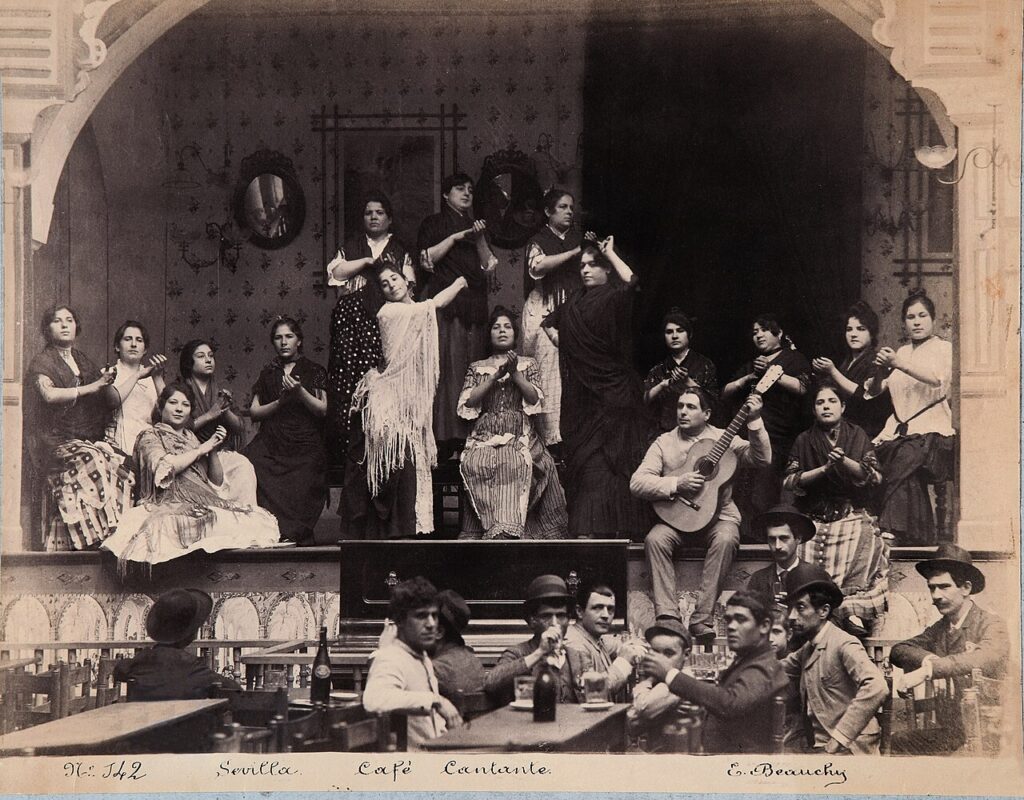
Seville is the beating heart of flamenco. This is where the art form was born, where gypsies and Andalusian musicians created something raw and unforgettable in the bars and courtyards of Triana. Today, you can still see flamenco performed at the highest level, but you need to know where to look.
The city offers everything from polished tablaos with dinner service to bare-bones peñas where locals gather to sing, clap, and stomp until sunrise. Here’s how to experience flamenco in Seville the right way.
The Tablaos: Dinner, Drinks, and Professional Shows
Tablaos are purpose-built flamenco venues—think intimate theaters with a stage, seating, and a full bar or restaurant. They’re tourist-friendly, but the best ones hire world-class dancers, guitarists, and singers. You’ll pay for the experience, but you’re guaranteed a seat and a well-produced show.
Casa de la Memoria, tucked into a courtyard in the Santa Cruz neighborhood, is one of Seville’s most respected tablaos. The space is small—around 100 seats—and the acoustics are excellent. Shows run nightly at 7:30 p.m. and 9 p.m., with no dinner service, just flamenco. Tickets cost around €20, and the performers are top-tier. Book ahead online; it sells out.
El Palacio Andaluz, near the Guadalquivir River, is larger and more theatrical. The show includes multiple dance styles—soleá, alegrías, bulerías—and the costumes are stunning. Dinner-and-show packages start at €65. It’s polished, professional, and a solid choice if you want the full tablao experience with a meal included.
Los Gallos, on Plaza de Santa Cruz, has been running since 1966. It’s one of the oldest tablaos in the city, and the atmosphere is warm and unhurried. Shows start at 8 p.m. and 10:30 p.m. Expect to pay around €38 for entry with one drink. The performers are excellent, and the space feels more like a living room than a theater.
The Peñas: Where Locals Go
Peñas are private flamenco clubs—membership organizations where aficionados gather to practice, perform, and preserve the art. Some allow visitors, especially on weekends, and the atmosphere is completely different from a tablao: no stage, no scripts, just spontaneous music that can last for hours.
Peña Flamenca Torres Macarena, in the La Macarena neighborhood, hosts performances most Saturday nights around 10 p.m. Entry is usually €10 to €15, cash only. The space is simple—plastic chairs, a small bar, a corner for musicians. But the flamenco is raw and authentic. Singers and dancers often join in from the audience. Dress casually and be prepared to stay late.
La Carbonería, technically a bar rather than a peña, is famous for its free flamenco shows. Located on Calle Levíes in Santa Cruz, it’s a sprawling venue with brick arches, wooden beams, and a courtyard. Shows happen most nights around 9 p.m. and 11 p.m. There’s no cover charge—just buy a drink and find a spot near the stage. The quality varies, but the vibe is unbeatable, and it’s a great introduction if you’re new to flamenco.
Triana: The Birthplace of Flamenco
Cross the Triana Bridge and you’re in the neighborhood where flamenco was born. Triana is still home to some of the city’s best-known flamenco families, and the bars here feel lived-in and unpretentious.
Casa Anselma is the most famous—a tiny bar on Calle Pagés del Corro with no sign, no set schedule, and no reservations. Anselma herself, a flamenco legend, performs when the mood strikes, usually after midnight. The bar fills up fast, and you’ll be shoulder-to-shoulder with locals singing along. It’s chaotic, sweaty, and unforgettable. Cash only, and expect to wait outside until someone leaves.
Lo Nuestro, also in Triana, is slightly more structured. Shows happen Thursday through Saturday nights around 10 p.m. Entry is around €15 with a drink. The performers are local, the crowd is mixed, and the energy is high. It’s a good middle ground between a tablao and a peña.
When to Go and What to Expect
Flamenco shows in Seville run year-round, but spring and fall are the best times to visit—the weather is pleasant, and the city hosts the Bienal de Flamenco every other September, drawing top performers from across Andalusia.
Most tablaos offer two shows nightly, around 7 p.m. or 8 p.m. and again at 9:30 p.m. or 10:30 p.m. Peñas and bars tend to start later, often after 10 p.m., and can run past midnight. If you’re going to a peña, bring cash—many don’t take cards.
Don’t clap during a song unless you know the rhythm. Flamenco has specific patterns called palmas, and clapping off-beat is the quickest way to stand out as a tourist. Instead, wait for the song to finish, then applaud. Between songs, shout “¡Olé!” when the moment feels right—you’ll know.
Dress codes are casual at most venues, though tablaos with dinner service may expect smart-casual attire. In Triana’s bars, jeans and a T-shirt are fine.
Seville’s flamenco scene is deep, varied, and still very much alive. Whether you choose the polish of a tablao or the grit of a Triana bar, you’re seeing one of Spain’s greatest cultural traditions in the city that invented it.
Want more stories like this? Subscribe to the Love Spain newsletter and get one short story a day—Spain’s cities, food, culture, and hidden corners, delivered to your inbox every morning.
Tours & experiences in Spain


Powered by Viator. Some links are affiliate links — we may earn a small commission at no extra cost to you.