
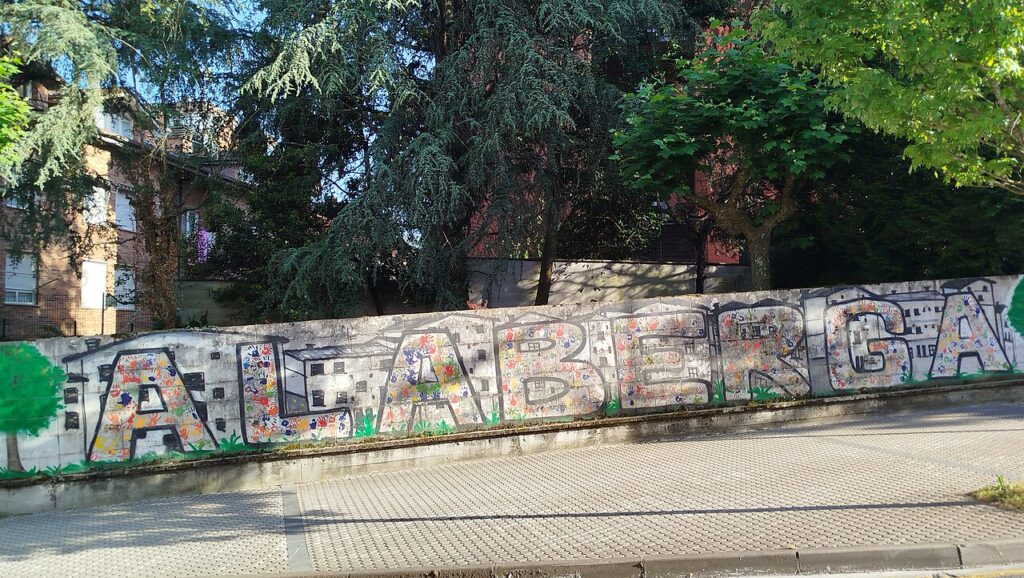
Most visitors to Valencia stick to the obvious hits: the futuristic City of Arts and Sciences, the Central Market, and the old town’s cathedral. But Spain’s third-largest city reveals its true character in neighborhoods where locals still live, work, and gather around tables of paella on Sunday afternoons.
These barrios offer everything from vintage shops and street art to fishermen’s bars and modernist architecture—without the crowds that pack the Plaza de la Virgen.
Russafa: Valencia’s Creative Heart
Twenty years ago, Russafa (or Ruzafa, depending on whether you’re speaking Valencian or Spanish) was a working-class neighborhood nobody thought twice about. Today, it’s the city’s undisputed hub of creativity, filled with independent boutiques, third-wave coffee shops, and restaurants that change menus daily based on what’s fresh at the market.
Start at the Mercado de Russafa, a smaller, less touristy version of the Central Market where vendors still remember your face after a couple of visits. The neighborhood’s grid of streets radiating from Calle Sueca is where you’ll find the action: vintage clothing stores on Calle Literato Azorín, natural wine bars on Calle Cadiz, and some of the city’s best new restaurants tucked into century-old storefronts.
For breakfast or lunch, head to Ubik Café on Calle Literato Azorín—it’s part bookstore, part café, and entirely Russafa. In the evening, locals pack into La Más Bonita for vermut and conservas before dinner.
The neighborhood comes alive after dark, particularly on weekends when the bars along Calle Sueca fill with a mix of artists, students, and thirty-somethings who moved here before the rents started climbing. It’s walkable from the old town in fifteen minutes, or take the metro to Colón and walk south.
El Cabanyal: The Fishermen’s Quarter by the Sea
Head east to the beach and you’ll find El Cabanyal, a former fishing village that Valencia absorbed decades ago but never quite tamed. The neighborhood’s narrow streets are lined with colorful modernist houses decorated with ceramic tiles, many dating to the early 1900s when fishermen built homes as close to the sea as possible.
This is where Valencia still feels like a Mediterranean port city. On Calle de la Reina, old men gather outside bars at noon for a carajillo and conversation. The Mercado del Cabanyal on Calle José Benlliure sells the freshest fish in the city—because the fishermen still dock a few blocks away at the port.
For lunch, Casa Montaña on Calle José Benlliure has been serving wine and seafood since 1836. Order whatever fish came in that morning, a plate of clóchinas (Valencia’s small, sweet mussels), and a bottle of something cold from the extensive list of Spanish whites. Expect to wait for a table on weekends.
The barrio nearly disappeared in the early 2000s when the city planned to bulldoze it for development. Neighborhood activism saved it, and now El Cabanyal is protected and slowly gentrifying—though it retains far more authenticity than Russafa. Walk along Calle de la Reina and Calle Escalante to see the best-preserved tile-work on the houses.
The beach at the end of Cabanyal is Playa de la Malvarrosa, which gets crowded in summer but remains wonderfully local compared to resort beaches further south. Come in the morning before the sun gets too fierce.
Benimaclet: The Village Within the City
North of the city center, Benimaclet still feels like the independent village it was until Valencia swallowed it in the twentieth century. There’s a small plaza, a weekly market, and enough neighborhood bars that locals rarely need to venture into the center.
The neighborhood draws university students—the campus is close by—and young families priced out of Russafa. It’s quieter and more residential, but Calle Dolores Marqués and the streets around Plaza Benimaclet offer a growing collection of cafés, bookshops, and organic grocery stores.
This is the Valencia where people actually live rather than perform for tourists. You won’t find major sights, but if you want to understand how a mid-sized Spanish city functions day to day, spend an afternoon wandering Benimaclet’s grid of low-rise apartments and corner shops.
Take the metro to Benimaclet station and walk west toward the old village center. Thursday mornings bring a traditional market to the plaza where farmers from the huerta sell vegetables that were in the ground the day before.
When to Visit and How to Get Around
Valencia’s neighborhoods are best explored on foot or by bike—the city has an excellent bike-share system called Valenbisi with stations throughout these barrios. Spring and fall offer perfect weather for wandering, while summer means searing heat from June through August. Even locals retreat indoors between 2 and 5 PM in July.
The metro connects all these neighborhoods efficiently, though nothing is more than thirty minutes’ walk from the old town if you don’t mind the exercise. Most shops and many restaurants close between roughly 2 PM and 5 PM for siesta, then reopen until 8 or 9 PM. Plan accordingly.
Sundays in Valencia revolve around long, late lunches—the perfect day to settle into a restaurant in El Cabanyal and order paella the way locals do, sharing a pan with friends and stretching the meal across several hours.
Want more insider stories about Spain’s cities, culture, and hidden corners? Subscribe to the Love Spain newsletter and get one short story about the real Spain in your inbox every day.
Tours & experiences in Spain


Powered by Viator. Some links are affiliate links — we may earn a small commission at no extra cost to you.